
ARCHBISHOP ANYOLO SHARES PLANS FOR DEEPER AND LONGER YOUTH ACCOMPANIMENT AFTER AMECEA PLENARY

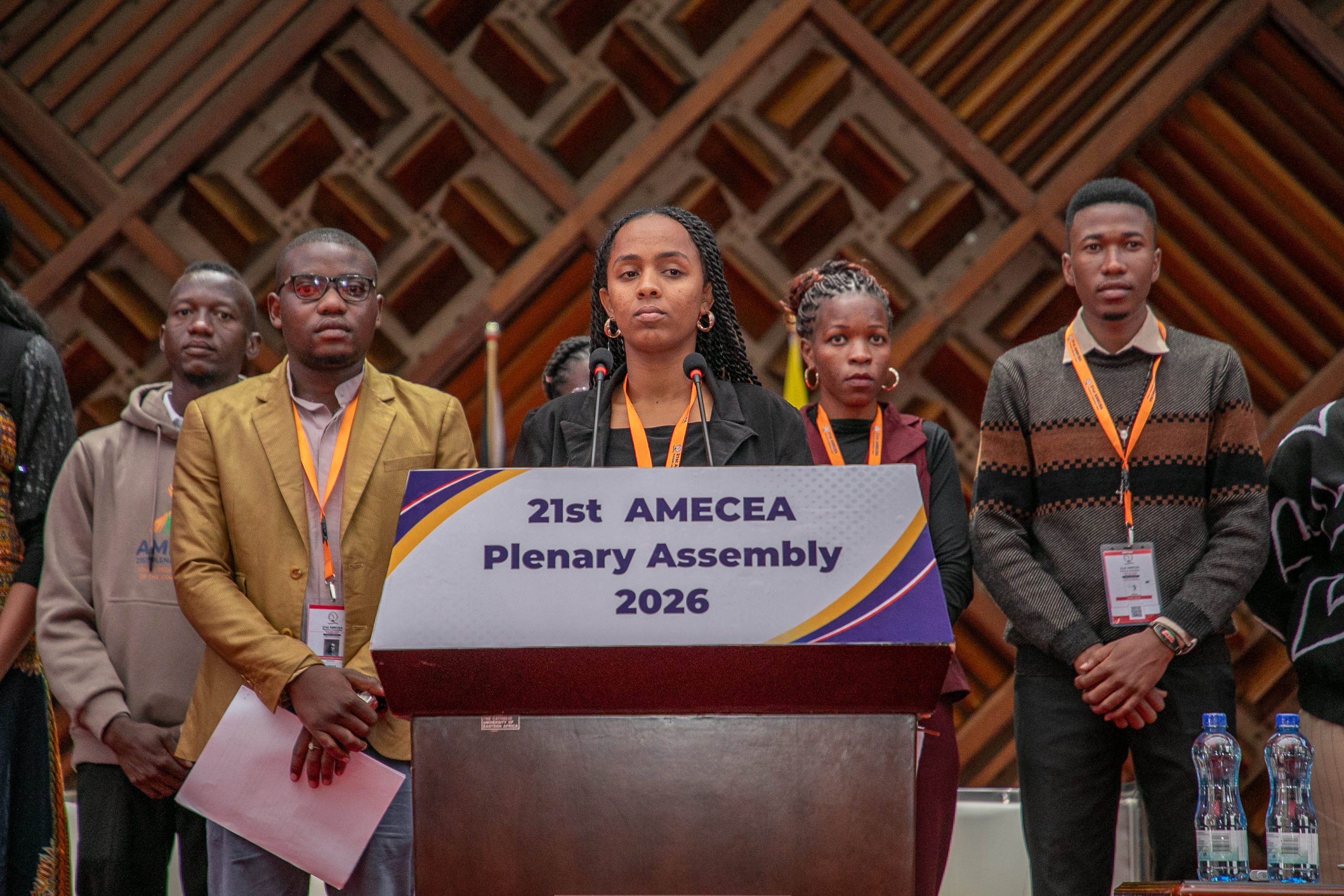
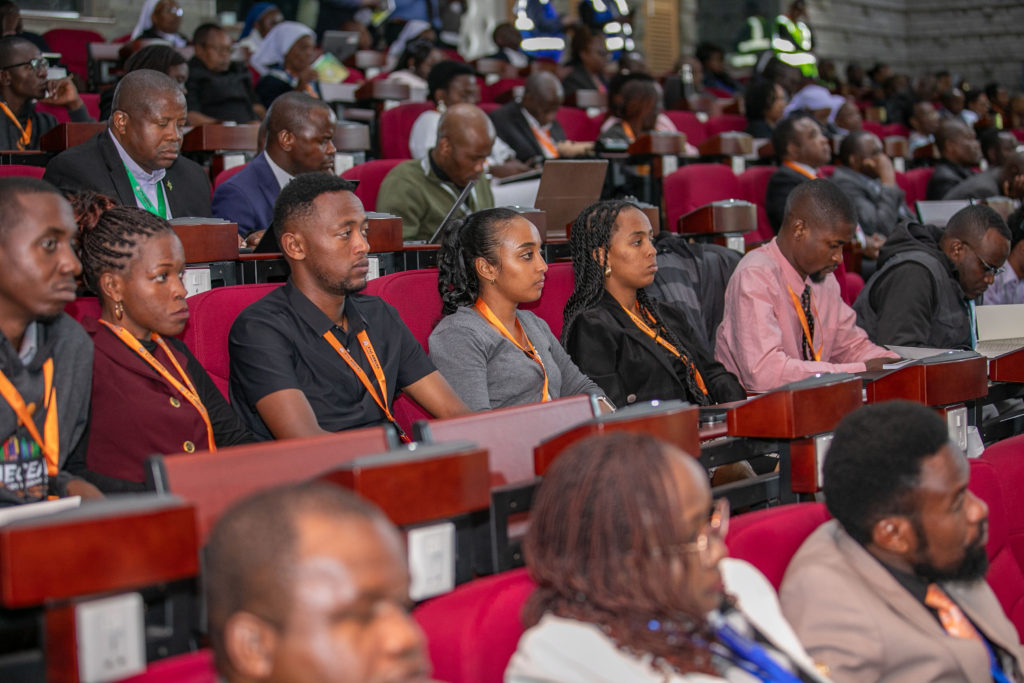
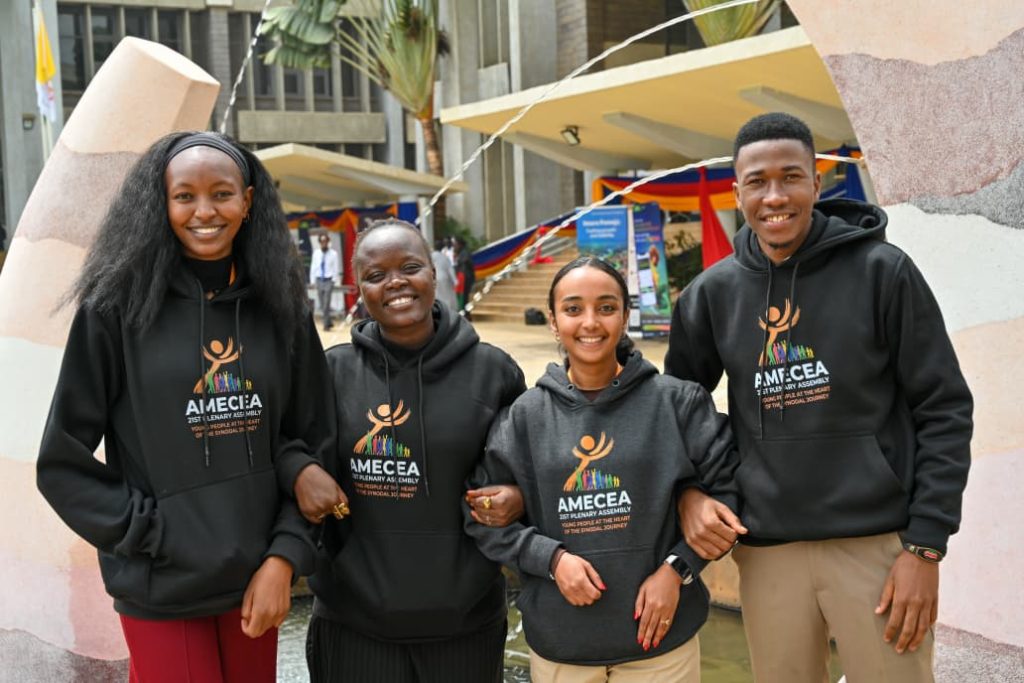
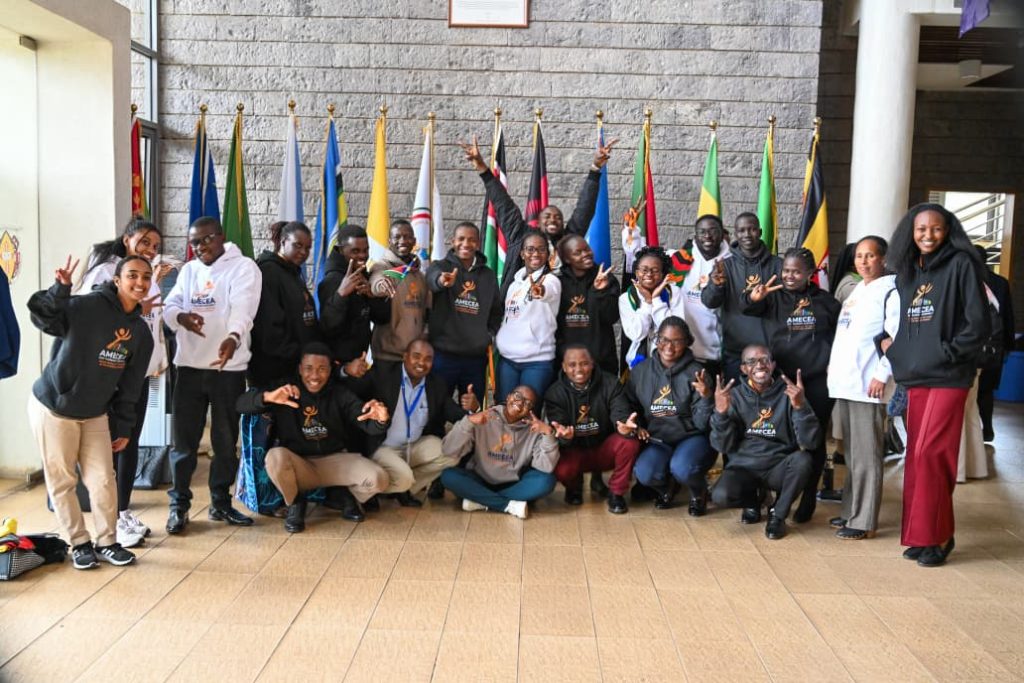
Youth representatives who attended the 21st AMECEA Plenary Assembly at the Catholic University of Eastern Africa were commended by Archbishop Philip Anyolo for representing their peers and bringing the voice of young people into the life and mission of the Church.
In a special way, Archbishop Anyolo recognized the Kenyan youth delegates for representing the young people of Nairobi well, noting that their presence at the assembly was an important step in strengthening the Church’s journey of accompaniment, dialogue and formation with the youth.
“The Archdiocese of Nairobi has a very vibrant group of young people. As was seen during the plenary, they are practical in their way of life and they understand the challenges they are going through. They can become an example from which other dioceses and even countries can learn,” he said.
Archbishop Anyolo described the youth as resilient, noting that despite the many challenges affecting young people today, they continue to show a strong spirit of service and commitment to the Church and society.
Speaking on the way forward after the seven-day plenary, the Archbishop said the Church must strengthen accompaniment and mentoring, while building relationships that enable young people and Church leaders to journey together.
He said the Church must create deeper spaces of accompaniment and mentorship for young people, built on trust, proper relationships and mutual listening. According to him, young people should not be seen as a separate group, but as part of the Church’s shared journey of faith, solidarity and growth.
“We shall strengthen our engagement with young people here in the Archdiocese of Nairobi by involving them more consistently and listening to them more closely. One year of engagement may not be enough. We need to consider walking with them for a longer period, perhaps over the next four years until the next AMECEA meeting, so that we continue forming, accompanying and empowering our youth,” he said.
This proposed extension comes at a time when the Archdiocese already has structures aimed at accompanying young people at different stages of their development.
Archbishop Anyolo pointed to school visits, leadership mentorship and formation programmes as part of the ongoing efforts to walk with young people. He noted that young leaders have also benefited from mentorship through different departments of the Archdiocesan Secretariat, especially through seminars organized by the Education Office.
He said this approach is important because young people cannot all be treated as one group, but must be accompanied according to their maturity, situation and particular needs.
The Archbishop further highlighted the role of Church groups in supporting vulnerable young people, including those living in poverty and those on the streets, who are often exposed to drugs, exploitation and other dangers.
He also pointed to technical and skills training programmes supported by Church groups, especially the upcoming CMA project in Kamulu, as part of efforts to equip young people with practical skills while nurturing their intellectual, emotional and spiritual growth.
This emphasis on accompaniment closely reflects the resolutions presented by the bishops at the close of the AMECEA Plenary. In their declaration, the bishops committed themselves to strengthening pastoral accompaniment and youth chaplaincies, deepening catechesis and faith formation, expanding mental health and psychosocial support, and investing in education, mentorship, entrepreneurship and skills development.
The bishops also resolved to strengthen Small Christian Communities as spaces of belonging and healing, support families as the first school of faith and identity, promote youth participation in Church and civic leadership, strengthen safeguarding and accountability, and form young people as Catholic digital missionaries.
For the Archdiocese of Nairobi, Archbishop Anyolo said the next step after the 21st AMECEA Plenary will be to deepen these structures so that young people are not left to navigate life alone.
He noted the need to challenge all priests across the Archdiocese to see themselves as chaplains to young people, while also strengthening the network of school chaplains and trained personnel who can accompany the youth professionally.
He further emphasized the need to create more opportunities for young people to take part in evangelization and service, building on their enthusiasm, creativity and energy.
“The young people have the energy to do good, but this energy needs to be guided by the Church and rooted in faith,” he said.
The bishops’ resolutions also placed responsibility on political leaders, warning against the exploitation of young people for political gain. This concern followed pleas from young people who said they often feel used during election seasons and forgotten once votes are counted.
This call complements the Church’s own commitment to giving young people greater responsibility and leadership within its structures, while ensuring that they are accompanied, formed and supported as active members of the Church and society.